Building Study: Building Design
The cultural significance of a new building at an eminent independent school is not what it was 150 years ago. On 21 June 1870, the future King Edward (then Prince of Wales) travelled six miles into south London to open Dulwich College’s new building by Charles Barry Jr. “A fair candidate for the wildest 19th-century building in the whole of London”, as Ian Nairn later put it, with a mishmash of styles “thrown at each other with a kind of nihilistic joy”.
From this cornerstone came a succession of buildings, each reflecting the preoccupations of their day, as the College expanded through contemporary architectural patronage: in 1934, a cricket pavilion by Danby Smith, unveiled by a former England cricketer; in 1969, the great Brutalist Christison Hall dining room by Manfred Bresgens and Malcolm Pringle of Austin Vernon & Partners (the practice behind of much of the Dulwich Estate’s mid-century housing), opened by Prince Philip; in 2016, a Grimshaw science block with the James Caird, Sir Ernest Shackleton’s lifeboat, moored in its atrium.
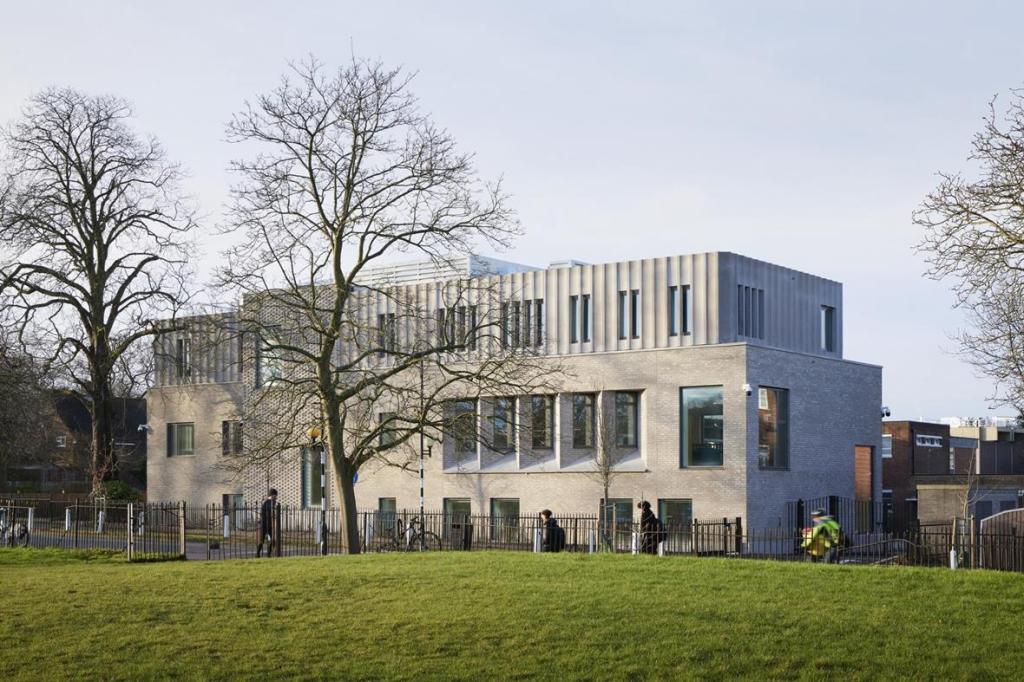
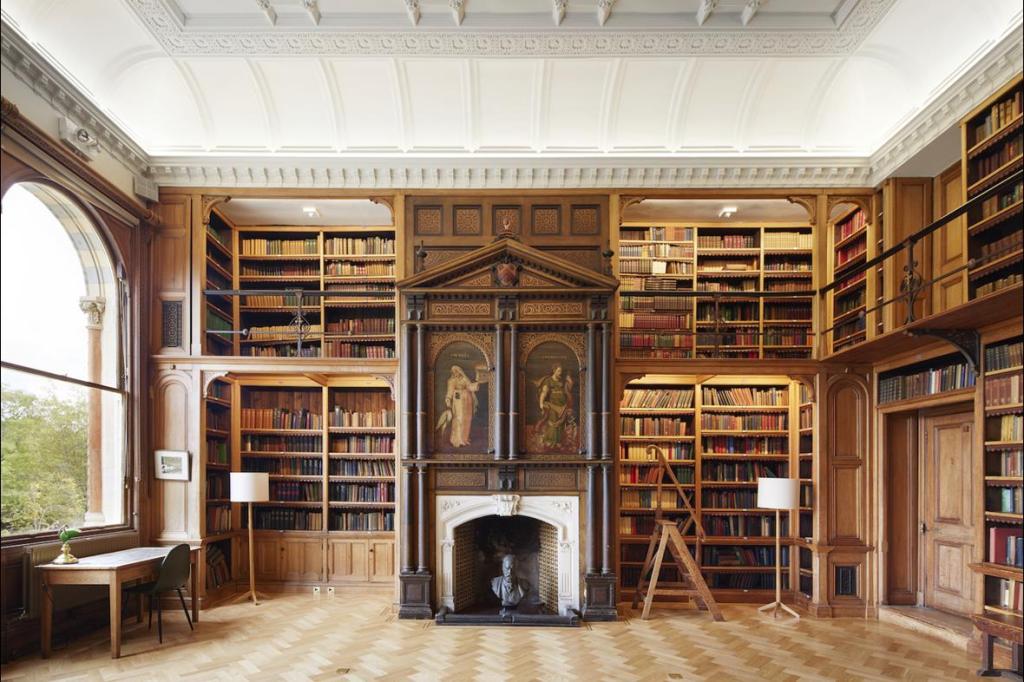
There have been smaller, less trumpeted infill projects on the grade II-listed campus too, but the most significant development in recent years has been the £5.5m Raymond Chandler Library. The building, completed last year and opened in the Michaelmas term of 2024, now provides a full year of in-use energy performance to analyse. Designed to LETI net zero carbon standards, it achieved its embodied carbon target and is now being optimised to close a small operational energy gap…
Read the full piece: https://www.bdonline.co.uk/buildings/dulwich-college-by-alma-nac-a-new-lower-school-library-and-the-refurbishment-of-its-emblematic-charles-barry-block/5139417.article
 Editorial Content