It’s a strange, slightly sad thing to be a (non-exhibiting, latent) artist at an art fair. My first experience of one was visiting ARCO in Madrid as a student. Then, the transition from studio to market felt like being a temp, looking for the stationery cupboard in the dark, then finding yourself naked in a floodlit boardroom. Now, I was at Frieze under the fig leaf of work.*
Review: square metres of cultural capital
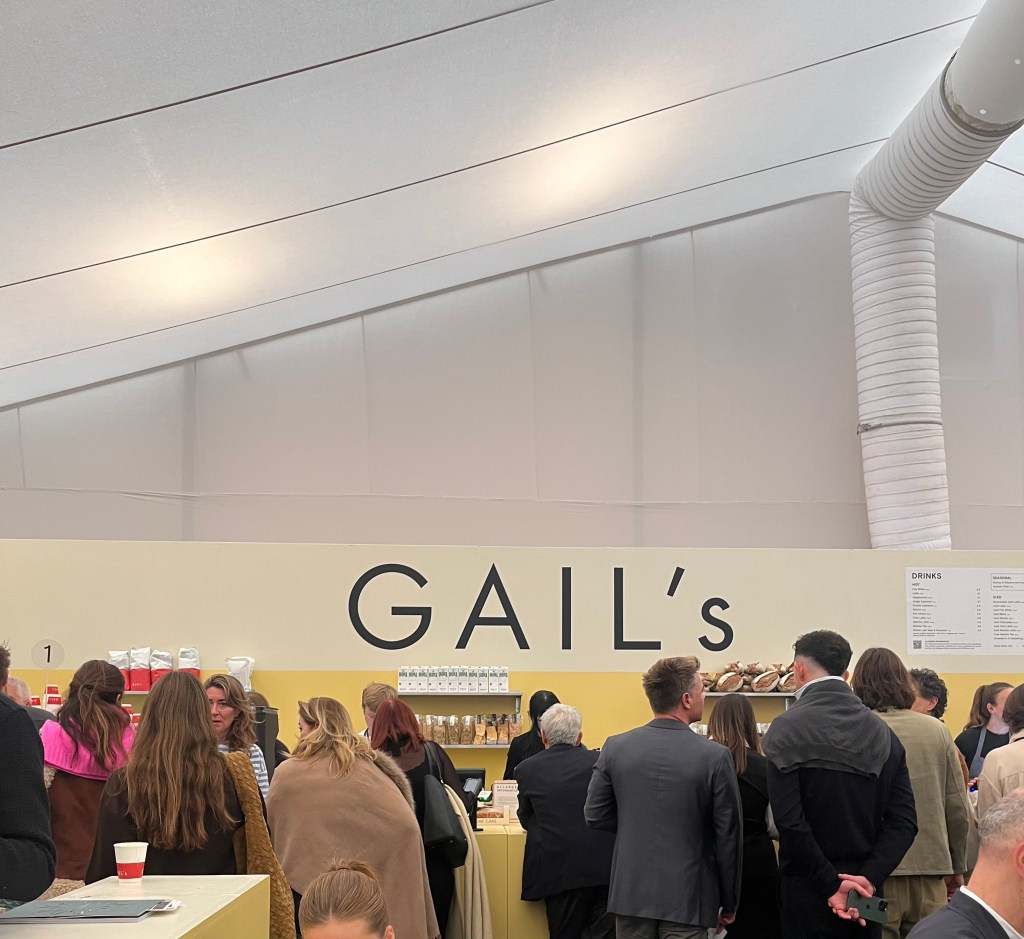
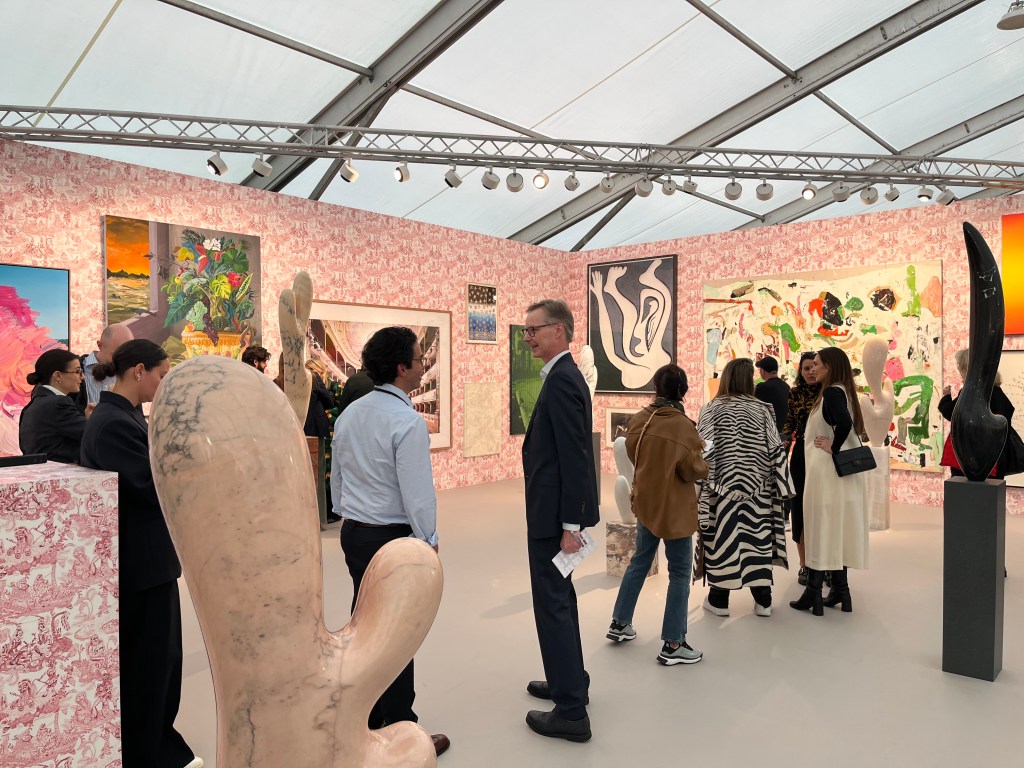
At face value, the white cubicles of an art fair are democratising. Whether you’re selling a painting for £800,000 or an £8,000 edition, it’s a white box. Position on the floor might be more significant. Frieze London’s Focus section of emerging galleries, to the left as you enter, is more prominent than the constellation of big names in the furthest hall. Visibility here doesn’t work like a supermarket, no, you don’t just collect what’s convenient, but there’s more life by the door than on that last furlong into Gail’s.
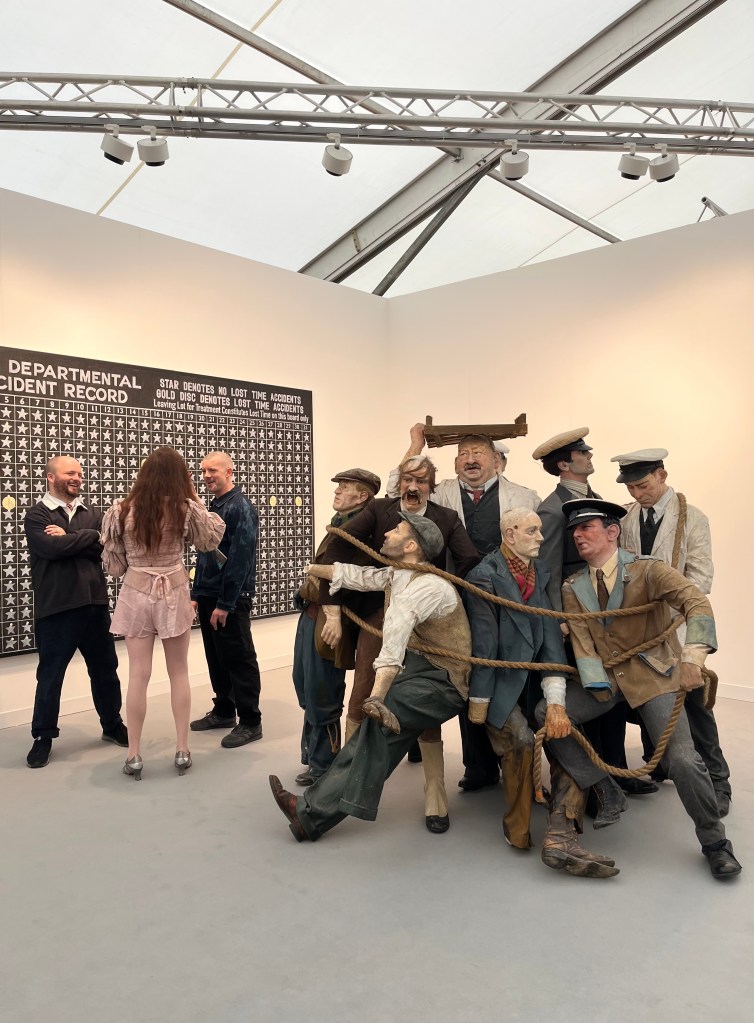
This year, it felt like the scale-to-impact ratio had flipped: the tiny gallery, Ginny on Frederick, founded by Freddie Powell (Ginny is his mum’s name), is having a moment that far exceeds its floor plan. At the fair, he’s showing artist, Alex Margo Arden, the standout star of Frieze Week.Her installation, Accounts (2025) is a brace of mannequins from the National Motor Museum, plucked from jobs pedalling an ice cream truck or delivering milk, and bound together by rope in a chaotic tableau of redundant industry. The work has been acquired by the Arts Council Collection and she also won the inaugural Nicoletta Fiorucci Foundation Prize.
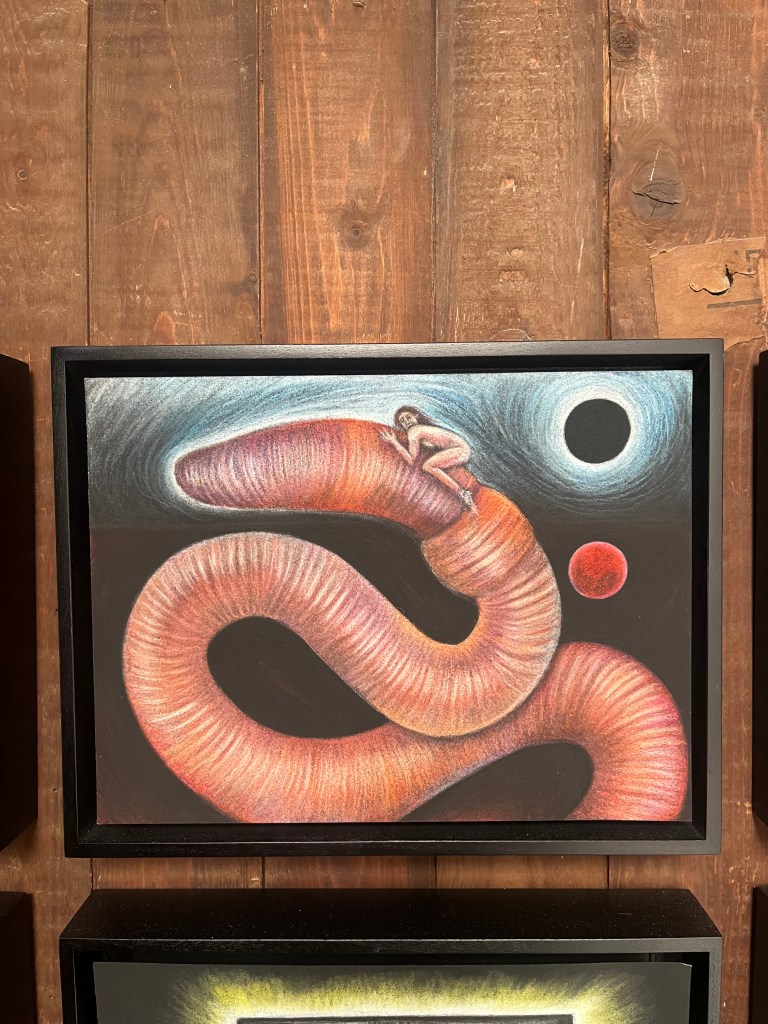
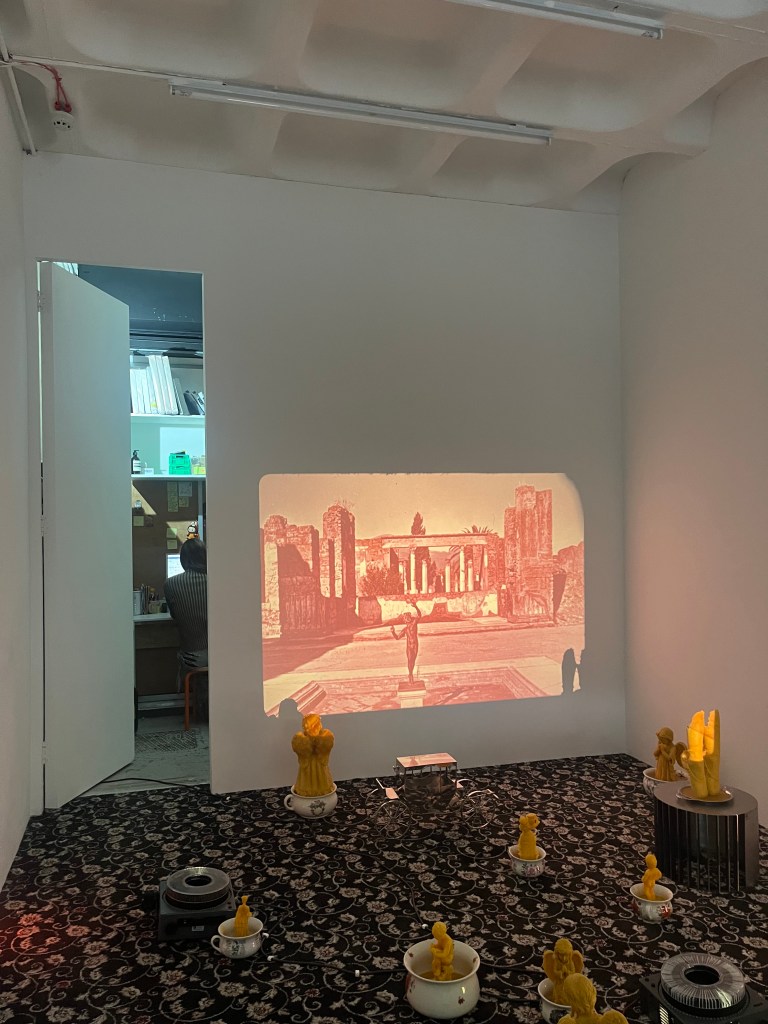
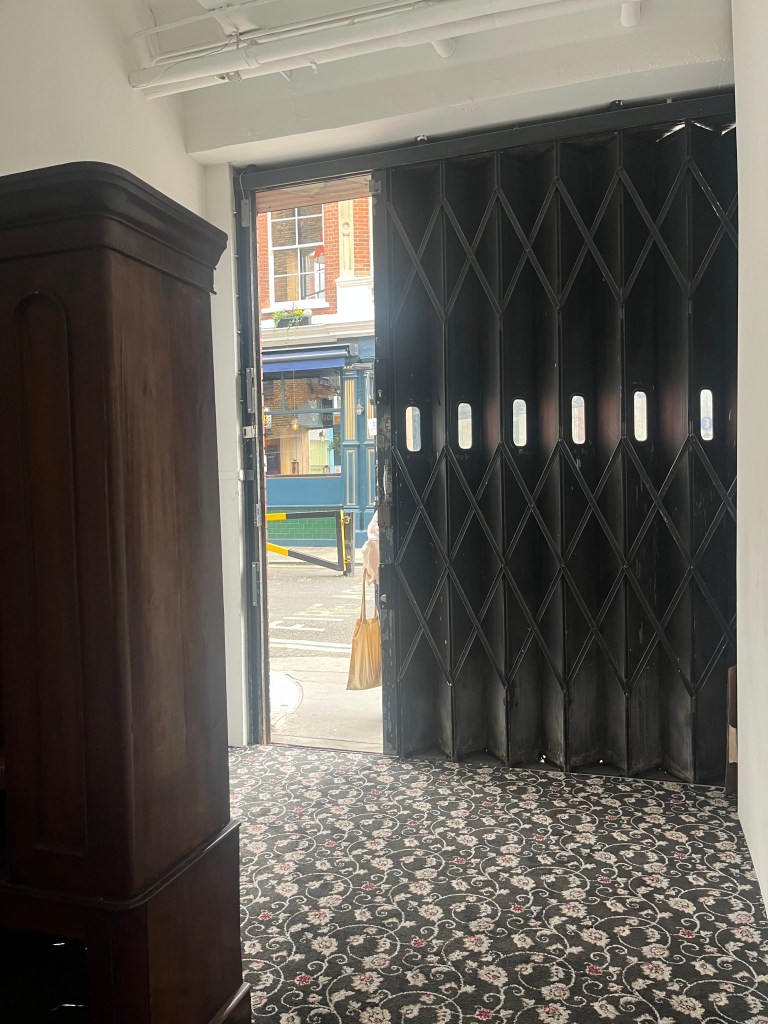
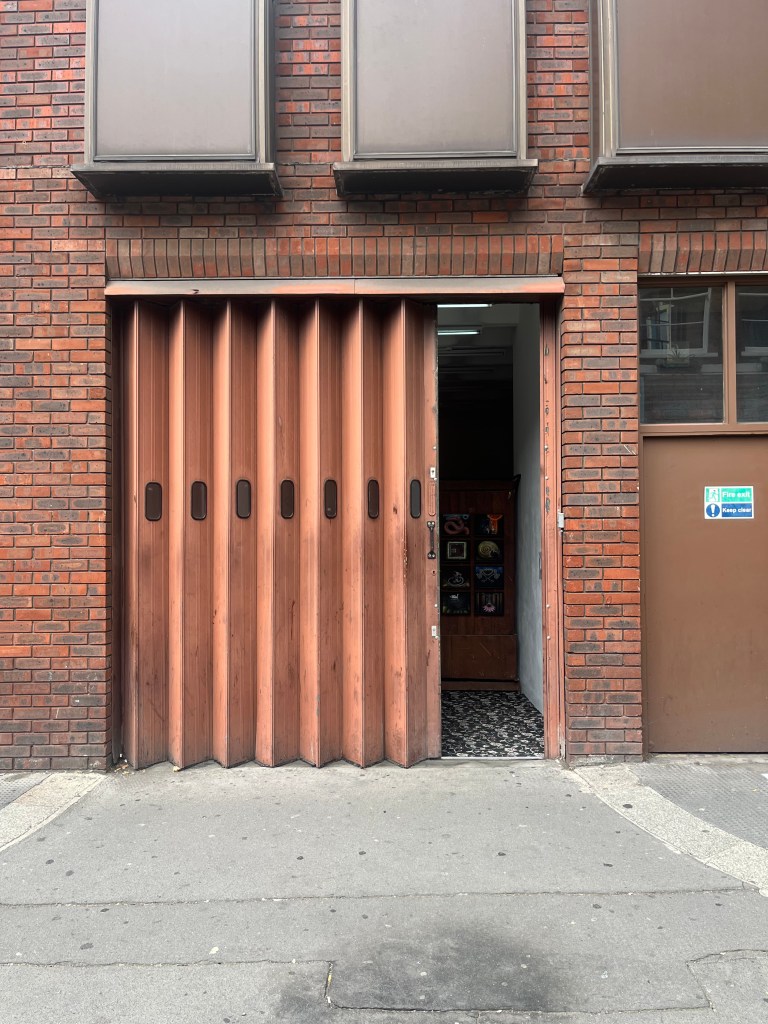
Away from Frieze, Ginny on Frederick has been showing Rebecca Ackroyd’s The Privy Window in its garage-sized unit under an office block on the edge of Smithfield Market. Approaching from the market, it’s easy to miss the entrance, a gap in a concertinaed metal door. The gallery’s first home in a former sandwich shop was even smaller. Immediately inside, a wooden cabinet makes for an improvised wall, hung with small paintings of wild dreams, such as a naked woman riding a giant worm. (Maybe she’d been to an art fair too.) The cramped situation amplifies the sense of Ackroyd’s fascination with internal worlds. Visitors pick their way carefully around beeswax angels and cherubs in ceramic chamber pots on the carpet as slide projectors click through photos of pop culture, cities, memories. I happened to look down at the moment an image flashed up of Diane Keaton with Goldie Hawn and Bette Midler in The First Wives Club, which felt poignant just a few days after Keaton had died. Another projector is frozen on a candle.
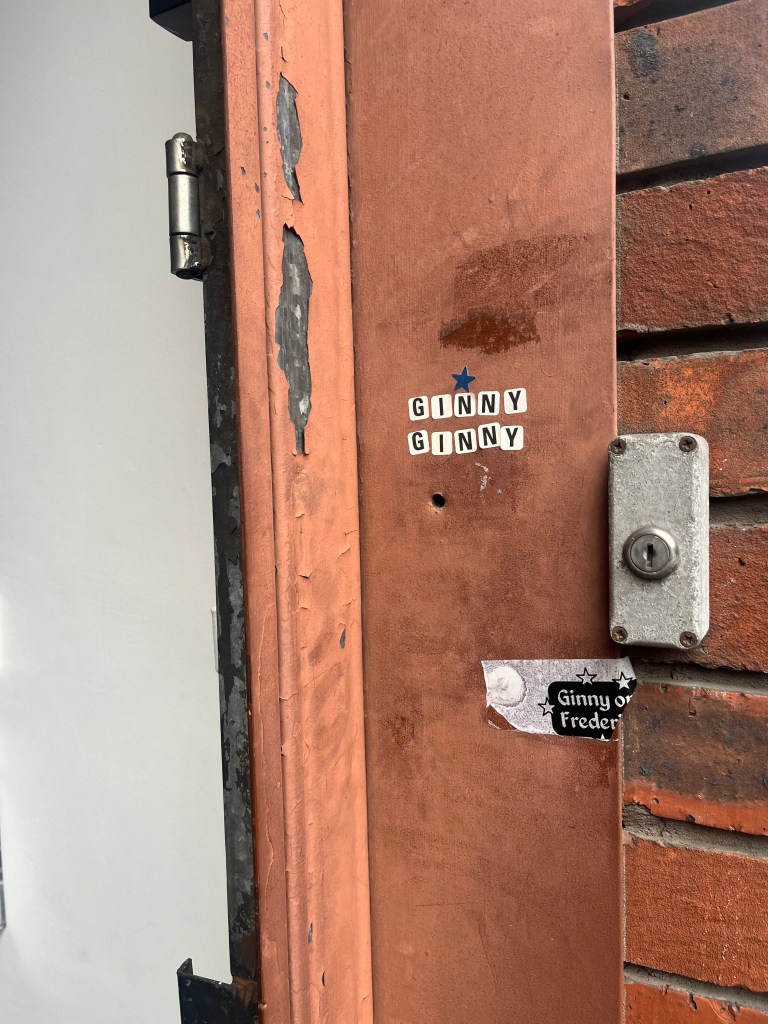
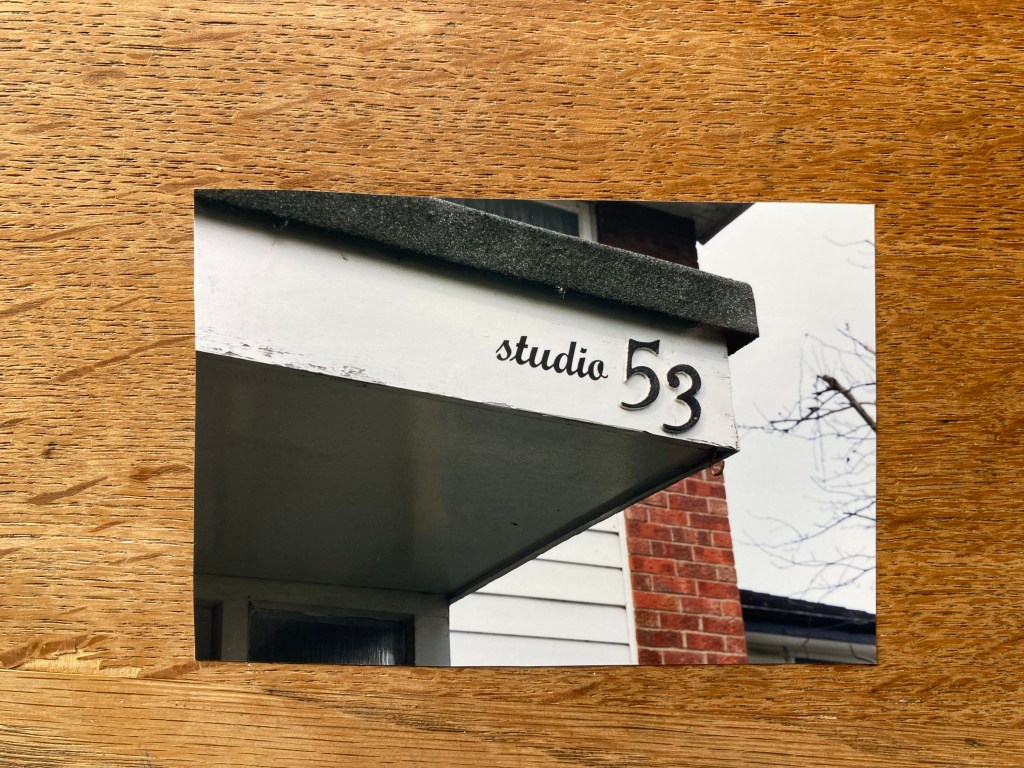
The gallery feels like meanwhile space. If you look up the address, you find renderings for a future white tiled office block; an “art deco-warehouse design of concrete, glazed brick and faïence” that got planning permission two years ago, with a glass-fronted co-working lobby across the ground floor. The GINNY sticker on the brick claiming its occupation took me back to a garage in Stockport in the ‘90s, where Nicola Dale, Gemma Holt and I made a ‘studio’ sticker for our group show. We added it to the house number. The space met our sole imperatives of empty and free.

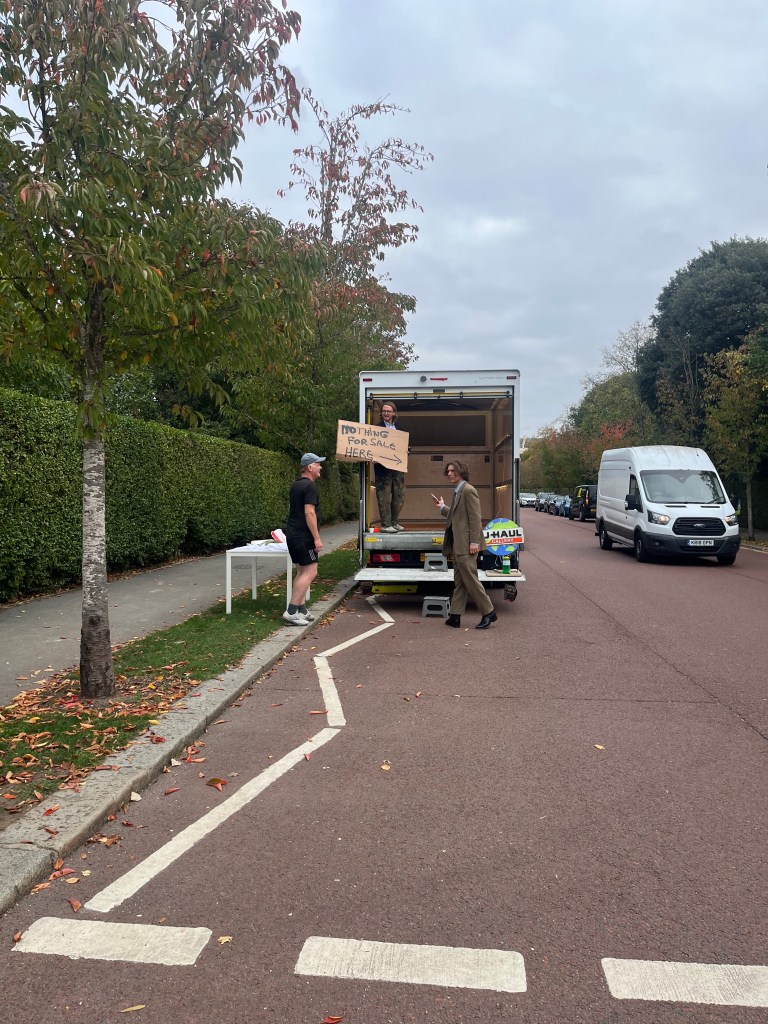
Ginny on Frederick isn’t an anomaly. Across London, some of the most interesting programmes are emerging from improvised retail and domestic spaces. Bobinska Brownlee New River exhibits upcoming and established names in a white cube in the garden of their Islington home. The Smallest Gallery in Soho, co-founded by Andreia Costa and Philip Levine, occupies a shop window, supported by The Garage Soho, Sir John Hegarty’s investment firm. The phone boxes by the British Museum hang pictures to attract passing tourists. Walking past The Approach’s Frieze stand, I thought of their rooms above a pub, a modest launchpad for so many careers. Fittingly, their group show included an intimately scaled painting by Mike Silva of a shower curtain drawn across a bath in the corner of an attic room. Leaving the tent, I pass U-Haul Gallery trying to navigate Camden parking.
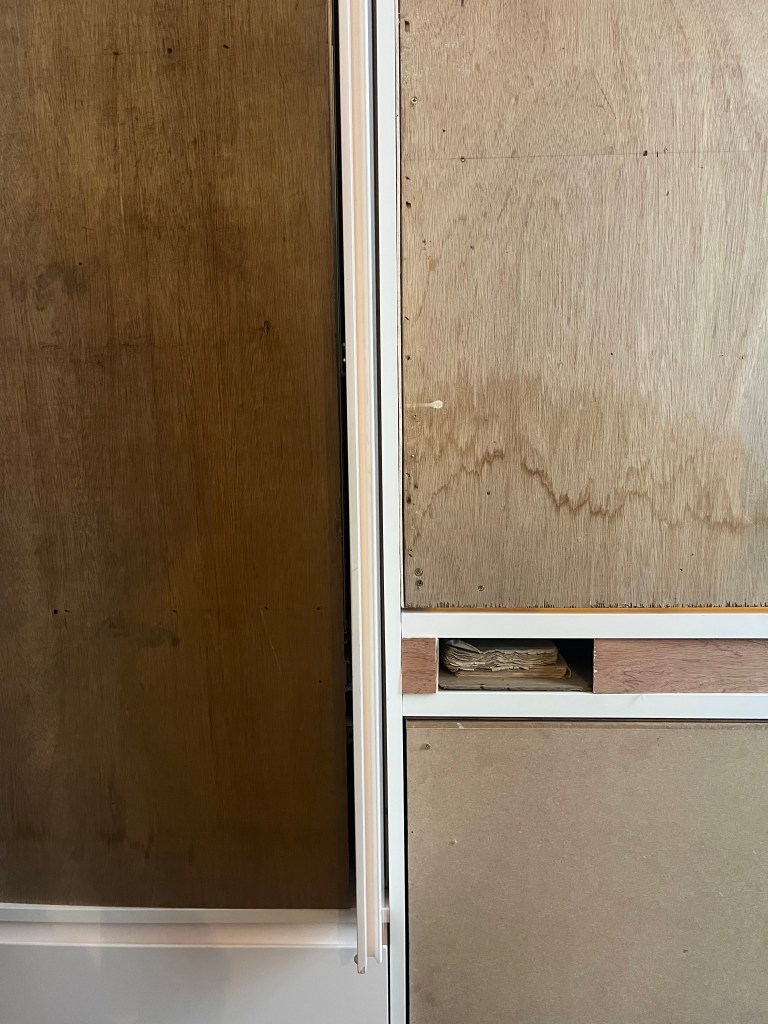
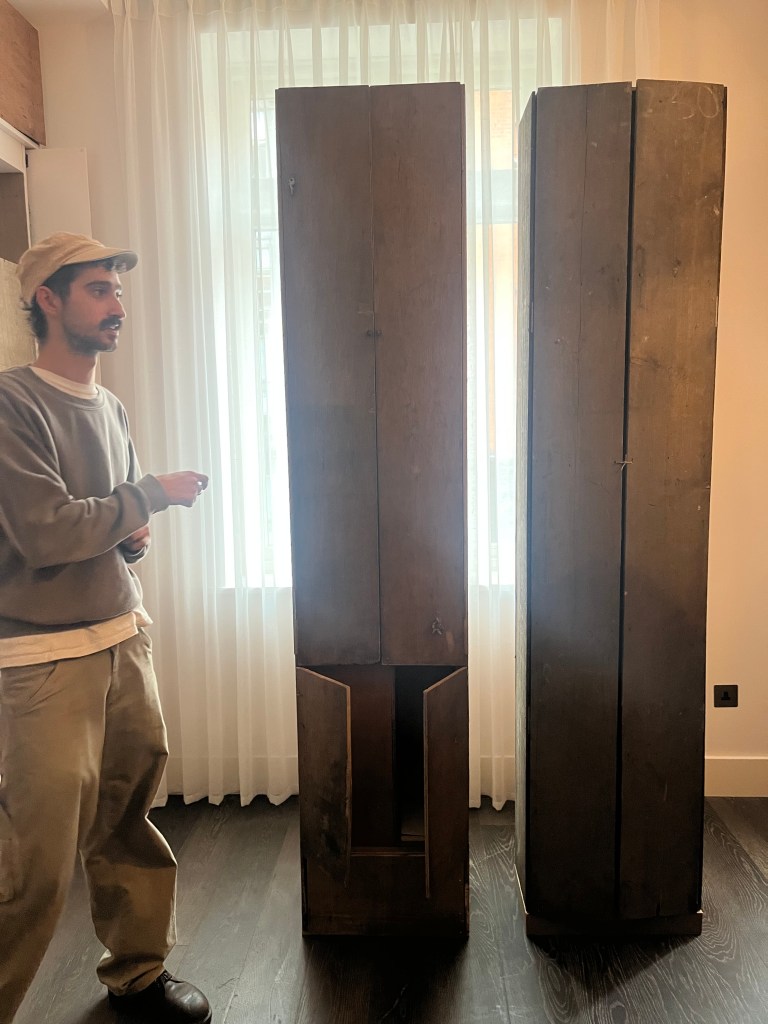
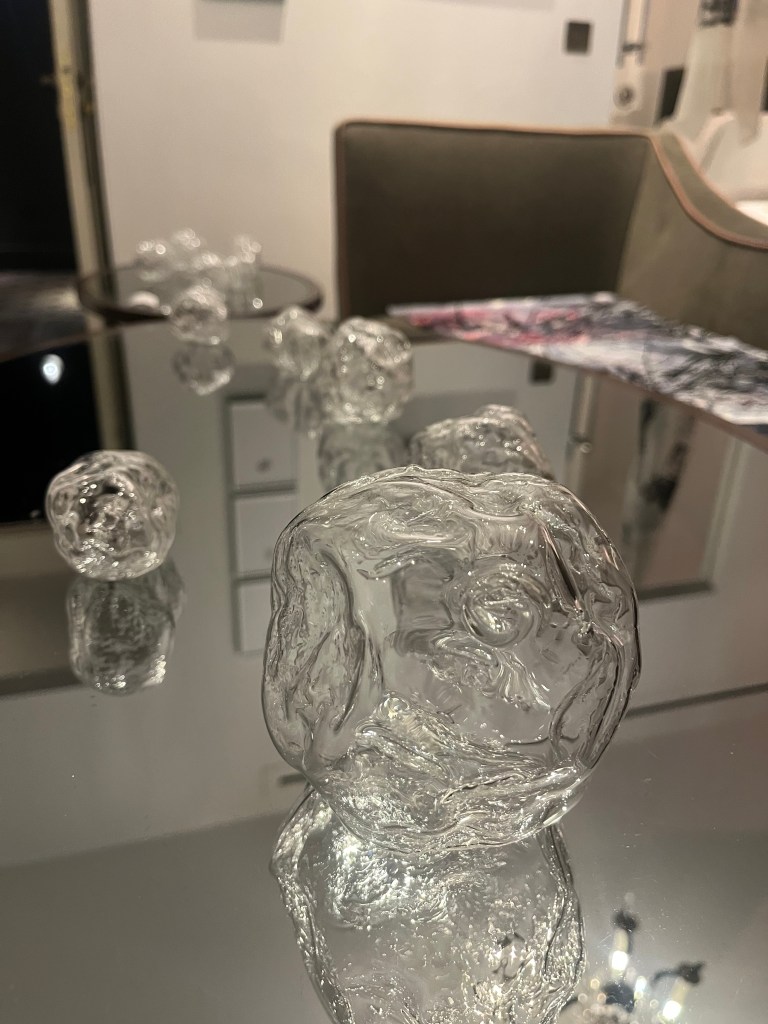
Away from Regent’s Park, fringe events like Minor Attractions in the Mandrake Hotel (designed by Manolo & White) give international galleries hotel bedrooms and staircases to work with. There’s a spray painting by Ramone “K” Anderson in the shower. Japanese artist, Taki Yokote is making lumps of rock levitate on the dressing table. In these confined spaces, artists’ ambitions can clash and visitors have to move awkwardly around the beds, forcing conversation. Some confine their displays to surfaces, with small acts, like Ana Sofia Esteva’s glass sculptures, each containing the breath of a word. More extravagantly, Edoardo Rito at Santi Gallery took the doors off the hotel wardrobes and covered them in plywood, enclosing all but a small shelf for poetry books.
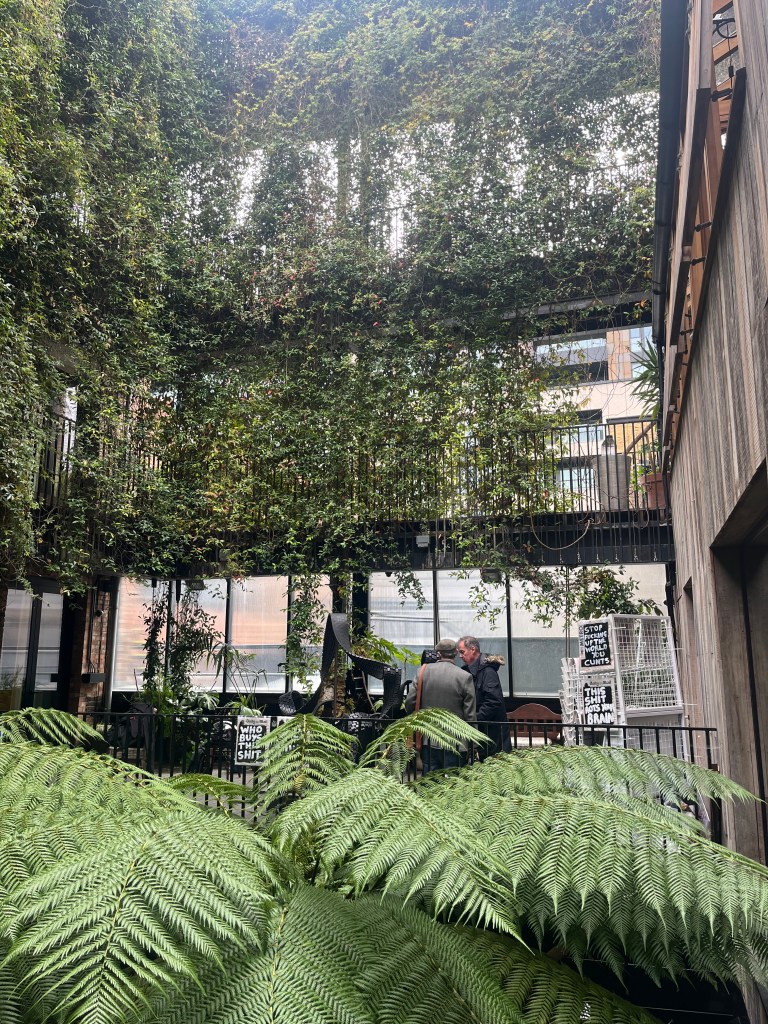

On the terrace, artist Mark McGowan’s news stand stocks only the Daily Mail, every copy painted black and scrawled with slogans like Daily Shit Pants. He helps to run another micro gallery and library, Kabinett Gallery, which operates from a restored bus kiosk on Crystal Palace Parade, previously (and occasionally still) used more informally as a bin and toilet. The first Kabinett in Camberwell occupied a similar kiosk. The gallery has international outposts in Berlin, where artists have repurposed old street gumball vending machines as small vitrines. One of their latest shows filled the void with an unsettling stack of ceramic doll heads by Sara Boroujeni.
Are these spaces a form of resistance, the cracks where the light gets in, or are they symptoms of galleries being pushed to the margins and miniaturised by economics? It’s easy to see the periphery as a holding space for early-career projects before the fortunate few graduate to the big white establishment box. But perhaps that isn’t the dream. Perhaps we’re in an era of the gallery as cottage industry, puncturing the dominance of tired, expensive formats. This Frieze Week, it’s the small spaces that conjured the beautiful and the fascinating, proving cultural might beyond their proportions.
October 2025
*It might have been Anya Taylor Joy and Nitro from Gladiators (not together), I walked past Kendrick Lamar and may have confused the Earl of Snowdon with the Marquess of Cholmondeley (what’s a small rank in peerage between collectors). Overestimated my pop culture knowledge and facial recognition skills. Not sure I’ll be asked to spot celebrities again.
 Editorial Content