Review: Building Design
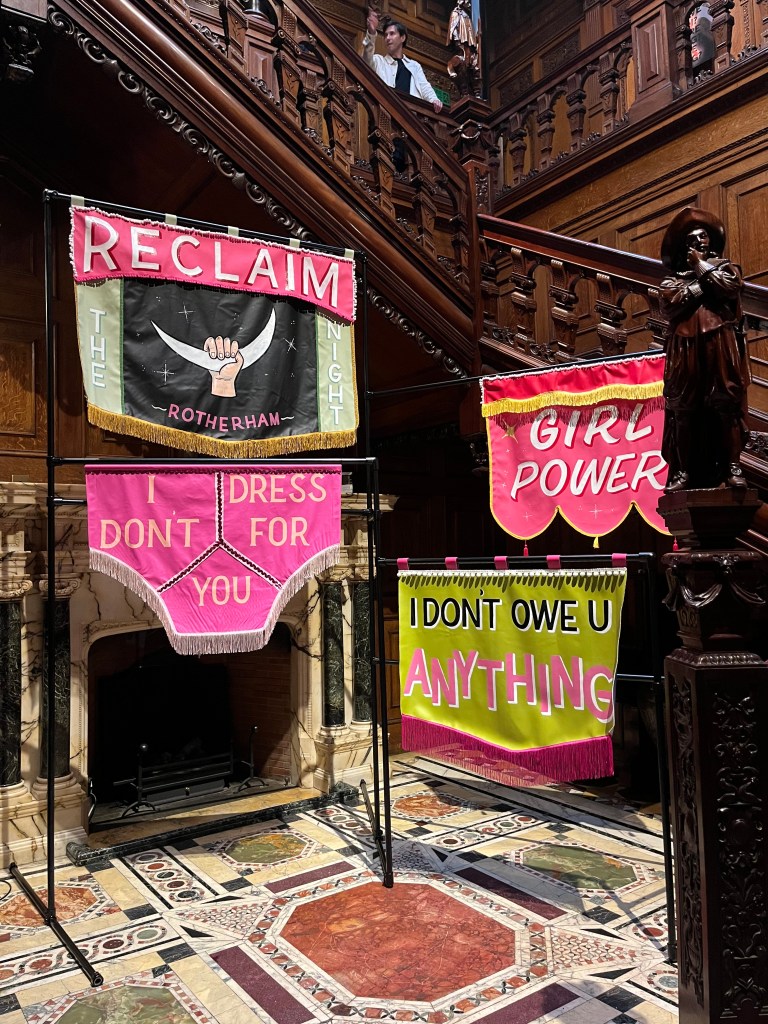
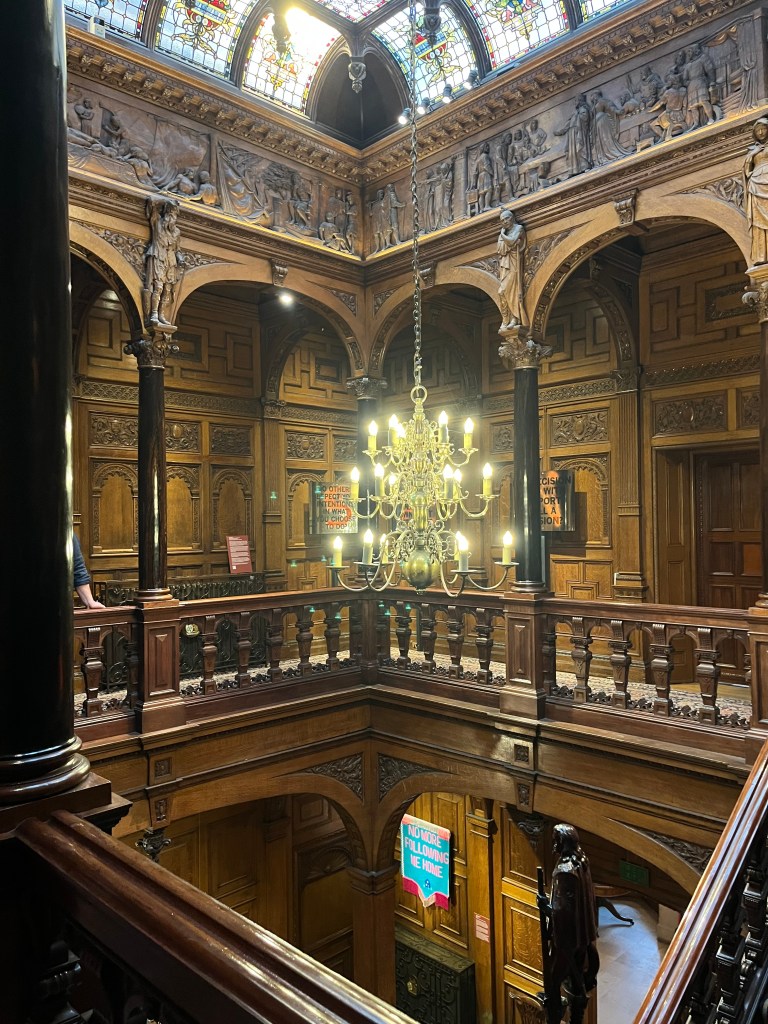
Two Temple Place is the lignophile’s dream. Imagine being the woodlouse that gets to tunnel through a carved oak frieze of Shakespeare’s Antony & Cleopatra. The experience is similar for the visitor moving through its ornately panelled halls.
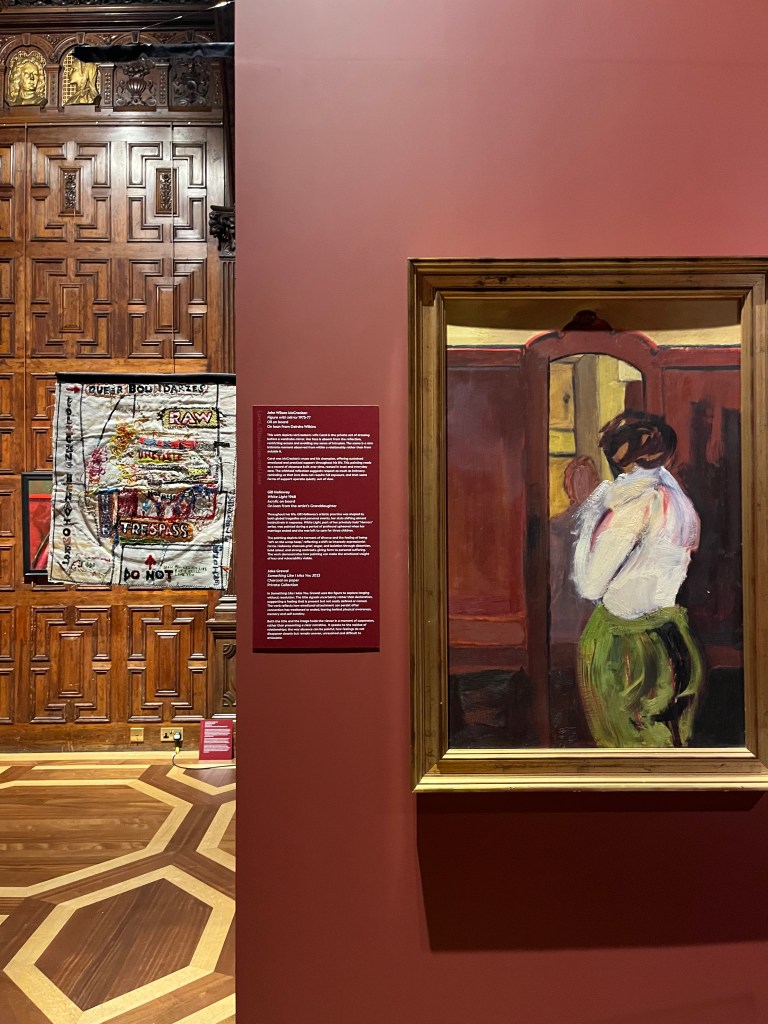
The building has opened its doors to the public again for a major free exhibition, The Weight of Being: Vulnerability, Resilience and Mental Health in Art, which runs until 19th April. The show brings together a diverse selection of works by contemporary and 20th-century British artists to explore some of the ways in which mental health shapes artistic expression.

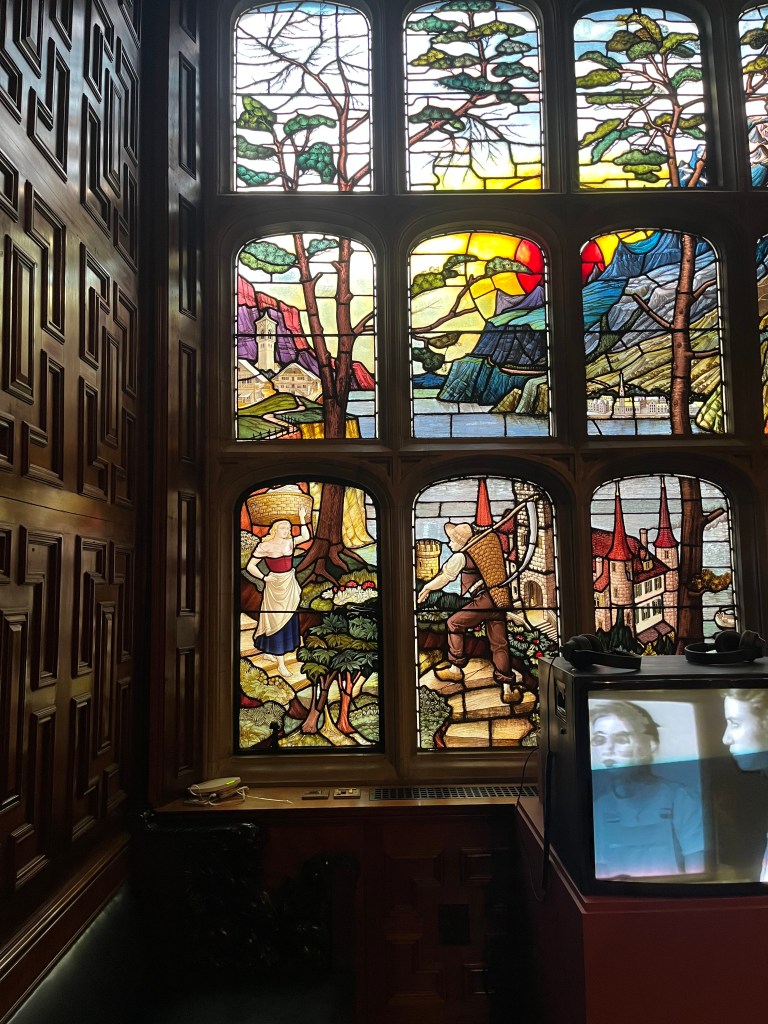
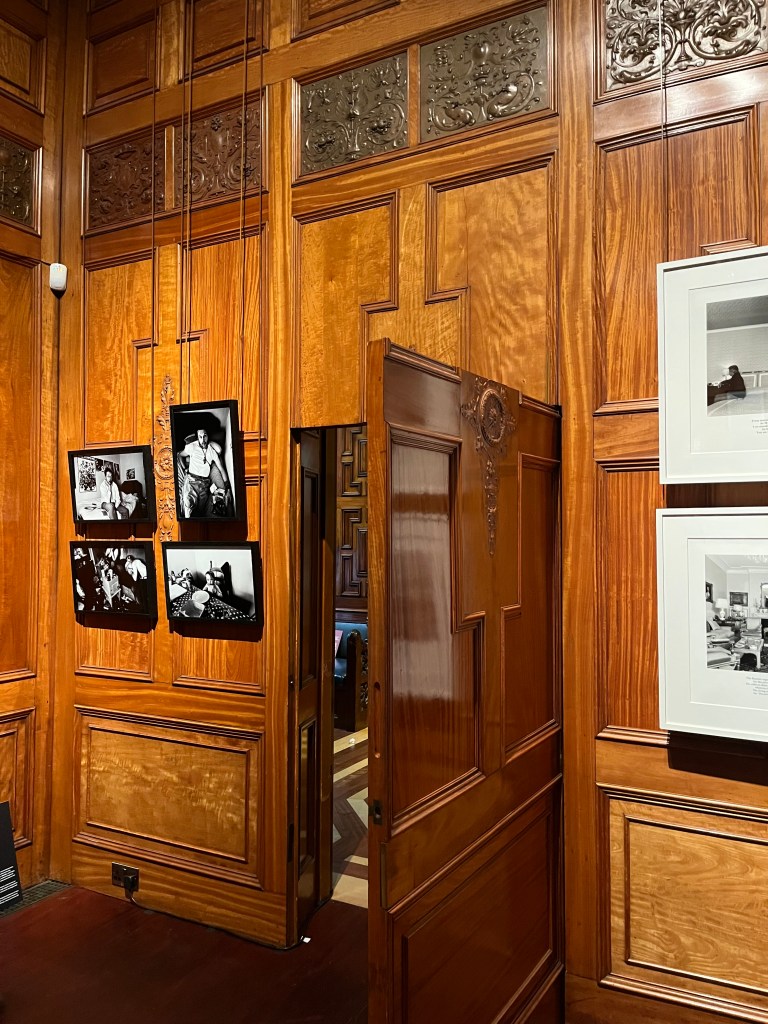
Two Temple Place, on London’s Embankment, was built as offices for American hotelier, politician and publisher, William Waldorf Astor in the 1890s. It was designed by architect, John Loughborough Pearson as the ultimate neo-gothic oligarch’s mansion, with historical fakery writ in real materials: ebony pillars, carved mahogany figures and friezes in hard, unmalleable oak by the leading artists of the day. Colour comes from the contrasting hues of endangered woods and the rare marble inlaid in the geometric ‘Cosmati’ floor. The centrepiece is a galleried staircase under a stained-glass ceiling that has graced numerous period dramas and wedding photos.
The Astor family’s fortune was originally made in the fur trade, then through real estate. Both extractive forms of enterprise that profited from unequal labour and the ills of 19th-century capitalism. The Bulldog Trust, the charity that now runs the house, appears to take the programming of the building as an act of reparation; the focus is on exhibitions and workshops that platform underprivileged groups and show pieces from regional public collections. Last year’s headline show, Lives Less Ordinary, explored working class life in British art in a deliberate juxtaposition.
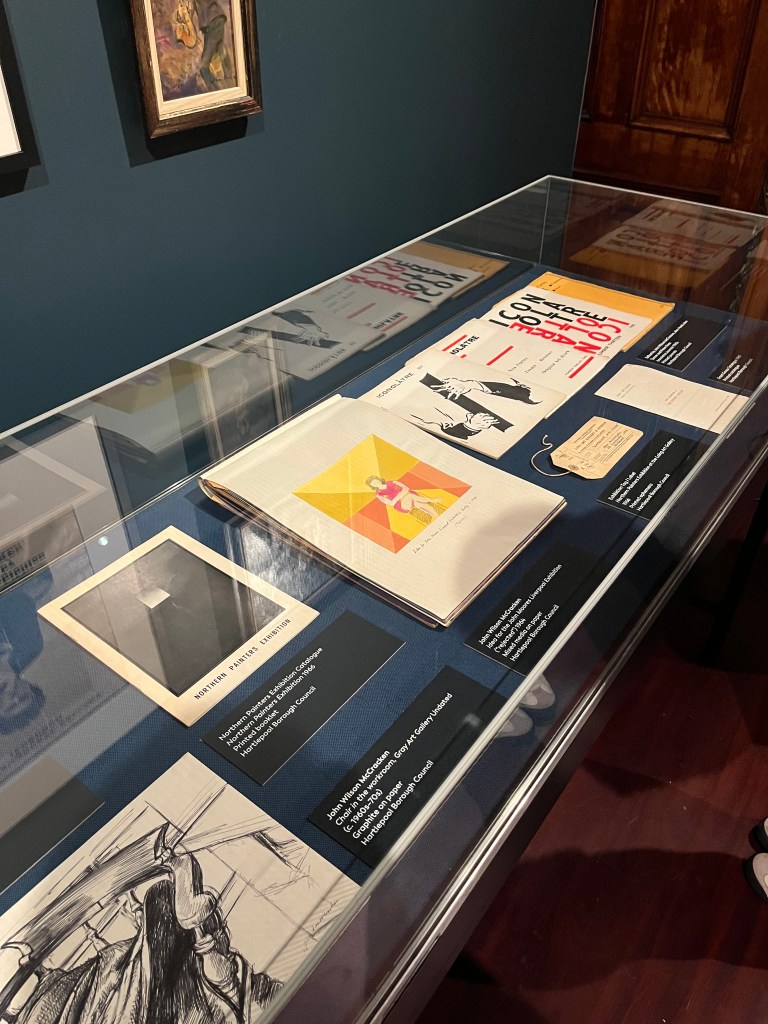
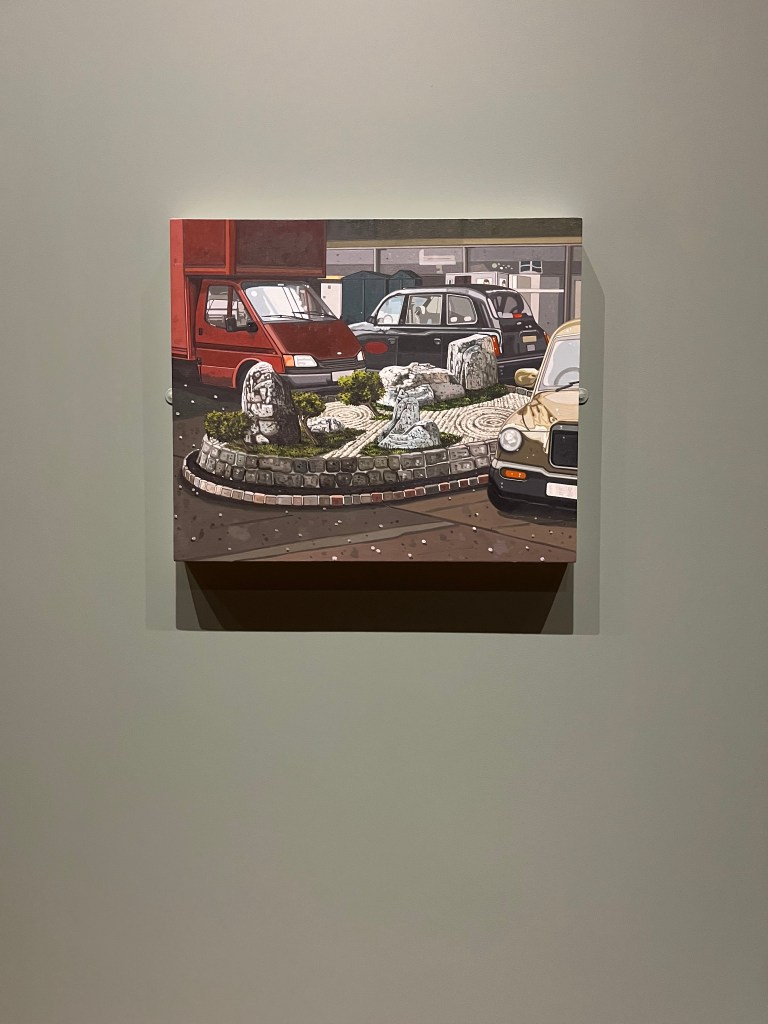
A significant focus of The Weight of Being is the paintings of John Wilson McCracken (1936 – 1982); the show is a vehicle for giving his work greater prominence. McCracken studied at the Slade School of Art in the 1950s, frequenting Francis Bacon’s iniquitous Soho, but after he was hospitalised for his mental health, his mother took him to Hartlepool, where he had relatives, for a quieter life.[Read the full piece: https://www.bdonline.co.uk/opinion/review-the-weight-of-being-at-two-temple-place/5140676.article]
 Editorial Content